
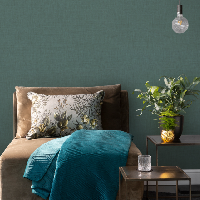
Hanging wallpaper – step by step to a perfectly wallpapered wall
Want to give your rooms a makeover with new wallpaper? With the right technique, the right tools and a bit of patience, even DIY enthusiasts can achieve a professional finish when hanging wallpaper.
Before hanging new wallpaper: removing old wallpaper properly
If the wall is already wallpapered, you must remove the old wallpaper before hanging new wallpaper. Ideally, the wallpaper can simply be peeled off the wall dry. If this doesn’t work, you’ll need a few aids and tools. With thin wallpaper, a mixture of warm water and a little washing-up liquid or a standard wallpaper remover is often enough to soften the residue. Afterwards, the wallpaper can usually be peeled off without much effort. Stubborn residues can be removed with a scraper. If the wallpaper is split-back, a second pass is sometimes necessary, as the backing material does not always come away straight away.
Thicker or water-repellent wallpapers often require more effort. In such cases, it is advisable to perforate the wallpaper first – for example, with a spiked roller, also known as a wallpaper hedgehog or spiked roller. This makes the surface permeable to water, allowing the wallpaper remover to penetrate more effectively. The wallpaper can then be stripped off much more easily.
Proper preparation before hanging wallpaper
Before you start hanging the wallpaper, it helps to take a final look at the following checklist:
Is the wall completely dry? If water or wallpaper remover was used when removing the wallpaper, the wall should be allowed to dry for at least 12 hours. Have all traces of the old wallpaper really been removed? A thoroughly cleaned wall is essential to ensure the new wallpaper adheres properly. Are there any defects such as cracks, mould or holes? Such defects must be carefully repaired before wallpapering. Is the wall surface smooth and even? If necessary, it should be filled and sanded. A clean and smooth wall surface is particularly important, especially with very thin wallpaper, to achieve a good result when hanging wallpaper.
Materials for hanging wallpaper – what you need
If you want to hang wallpaper, you should have the right materials and tools to hand to achieve a neat and long-lasting result. The basic kit starts with the right paste. Depending on the type of wallpaper – e.g. non-woven, paper or vinyl – there are different types of paste. For non-woven wallpaper, a special non-woven adhesive is usually used, which is applied directly to the wall. A sturdy pasting table is essential, particularly for paper wallpaper. It provides enough space to cut the wallpaper strips to size and coat them evenly with paste. Other important tools include a bucket, a mixing stick, a paste brush or roller, and a wallpapering brush or a smoothing roller to apply the wallpaper without bubbles. A craft knife allows you to cut wallpaper cleanly, particularly around edges, sockets or window reveals. A seam roller helps to seamlessly close the joins between strips. A plumb line or spirit level ensures precise alignment.
Hanging wallpaper – how to do it properly
Here’s how to hang wallpaper correctly: Before you start, measure the room height from the ceiling to the skirting board and add about 10 cm. Ideally, start with the first strip on a light-coloured wall – this is usually the side with the window. Use a plumb line or spirit level to mark a vertical guide line there. This line ensures that the first strip of wallpaper is perfectly plumb – and this is crucial for all subsequent strips.
Depending on the type of wallpaper – e.g. non-woven or paper wallpaper – either the wall or the strip of wallpaper is coated with paste first. Apply the wallpaper from top to bottom. Press the strip into the corner at the top between the ceiling and the wall – a slight overlap is desirable here. Align the strip with the guide line, press it down with your hand and then smooth it carefully with a wallpapering brush – working from the centre towards the edges and always from top to bottom. This prevents air bubbles. For particularly clean edges, we also recommend using a seam roller to press the edges firmly down. The overhanging ends at the ceiling and skirting board are best trimmed using a scraper and a sharp craft knife or a pair of scissors.
Light switches and sockets
Before applying the wallpaper, ensure the circuit breakers are switched off and the covers of sockets and light switches are removed. The wallpaper can be applied over the opening. Next, make a cross-cut over the socket with a craft knife to expose the opening. The covers can then be refitted.
Window reveals
Window reveals present a particular challenge when hanging wallpaper. The strip of wallpaper should extend slightly beyond the window and then be carefully stuck around the reveal. This requires particularly precise cutting.
Ceilings
Wallpapering the ceiling requires a little more effort, but is perfectly manageable with the right preparation. It is important that the ceiling is smooth, clean and structurally sound. It is best to work in pairs: one person holds the wallpaper, whilst the other carefully smooths it down with a wallpapering brush. Work strip by strip and ensure clean joins.
Sloping ceilings
For sloping ceilings, start with the wallpaper on the straight wall and work diagonally upwards. Ensure precise alignment and clean joins.
Radiators
Hanging wallpaper behind radiators is a bit fiddly, but doable. Use a wallpaper brush with a long handle or a pressure roller. Alternatively, you can apply the wallpaper just behind the radiator, depending on visibility and the room’s design.
Requirements for different types of wallpaper when hanging
Types of wallpaper differ not only in their appearance. The type of wallpaper also influences the preparation and application. After all, ‘hanging wallpaper’ is not always the same: depending on the material and construction, the application steps can differ considerably. Below is an overview of the most common types of wallpaper and what you should bear in mind when hanging each type.
Woodchip wallpaper
Woodchip wallpaper consists of several layers of paper with wood fibres woven into them. To hang this wallpaper, the paste is applied directly to the back of the wallpaper strip. After a short soaking time (usually 5–10 minutes), the wallpaper can be applied to the wall. It is important to apply the paste evenly to prevent bubbles from forming.
Non-woven wallpaper
Non-woven wallpapers consist of a non-woven backing that is particularly sturdy and dimensionally stable. They are one of the most popular types of wallpaper as they make wallpapering considerably easier. Instead of applying paste to the wallpaper itself, the wall is pasted – the so-called wall-pasting technique. The wallpaper is then placed directly onto the pasted surface and smoothed out. If you want to hang wallpaper and keep the process as straightforward as possible, non-woven wallpaper is the perfect choice.
Vinyl wallpaper
Vinyl wallpapers have a plastic surface, making them particularly easy to care for and hard-wearing. They too are predominantly based on a non-woven or paper backing. Depending on the backing material, the wallpaper is hung either using the wall-adhesive technique (for non-woven backings) or by traditionally pasting the back of the wallpaper (for paper backings). It is important that the wall is completely smooth and clean, as any unevenness will quickly show through the glossy surface.
Textile wallpaper
Textile wallpapers consist of a backing material (paper or non-woven) coated with a textile fabric. This type of wallpaper gives rooms a particularly high-quality appearance, but is significantly more demanding to apply. Hanging the wallpaper requires particular care here, as the paste must not seep through the fabric to the outside. It is therefore advisable to use a special adhesive and a great deal of finesse.
Wall mural
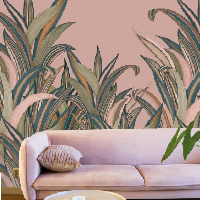
When hanging wall murals, particular precision is required: the strips must be positioned exactly so that the motif remains consistent. A plumb line or spirit level helps to align the first strip – this is crucial for the overall result.Dos & Don’ts for hanging wallpaper
To ensure that the wallpapering process goes smoothly and the result is impressive, it is worth taking a look at these tried-and-tested tips – and typical mistakes that you should avoid:
Dos:
- Clean the wall thoroughly, smooth it out and, if necessary, prime it.
- Carefully select the type of wallpaper and suitable paste.
- Align the first strip precisely using a spirit level or plumb line.
- Pre-cut the wallpaper strips and number them if there is a pattern.
- Smooth the strips out without leaving any bubbles using a wallpapering brush or a pressure roller.
- Use a seam roller for clean transitions.
- Remove any paste residue immediately with a damp cloth.
- Work with a slight overlap in corners and trim afterwards.
- Allow sufficient before placing furniture against the wall.
Don'ts:
- Wallpapering on uneven, damp or dusty surfaces
- Using too little paste or applying it unevenly
- Starting without aligning the first strip
- Making major adjustments to the wallpaper whilst it is still damp (risk of tearing!)
- Allowing paste residue to dry on the front side
- Ignoring the pattern or repeat
- Underestimating drying times – fresh wallpaper is delicate
Dispose of wallpaper correctly
Whether it’s old wallpaper or leftover paste – wallpapering inevitably involves wallpaper scraps that need to be disposed of. In addition to the paper layer, most wallpapers contain additional materials such as synthetic fibres or cotton. This, combined with the paste residue used during installation, makes disposal in the paper bin problematic. The only correct method of disposal is via the general waste bin. Make sure to remove any paste residue as far as possible or to pack it in such a way that the inside walls of the bin remain clean and it can be emptied without any problems.